
What to Know Before Building a Barndominium
Traditional home construction is not the only path to owning a beautiful, functional house. More people are turning to a style that blends rustic charm with modern living. This approach offers flexibility that conventional builds often cannot match. Before breaking ground, understanding the process helps future homeowners make informed decisions from the very first planning meeting.
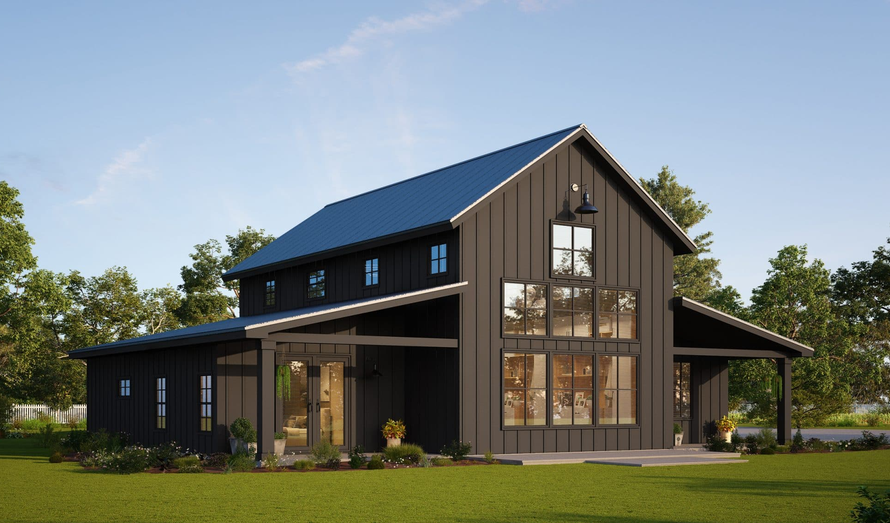
Planning Your Custom Barndominium Build
Curious whether this unique building style fits your lifestyle and budget? Experienced Barndominium builders Georgia homeowners trust brings this vision to life from concept to completion. Here is what to expect.
Understanding the Basic Concept
A barndominium combines the open structure of a barn with the comfort of a traditional home. Steel or metal framing typically forms the shell, offering strength and reduced maintenance compared to standard wood framing. Inside, the layout functions just like any modern house, with bedrooms, kitchens, and living spaces. This combination appeals to buyers wanting durability alongside a distinctive, spacious aesthetic that stands apart from typical suburban designs.
Cost Considerations Compared to Traditional Homes
Barndominiums often cost less per square foot than conventional construction, though pricing varies based on finishes and size. Metal framing reduces certain labor and material expenses. However, custom interior finishes, plumbing, and electrical work still carry similar costs to standard homes. Getting a detailed estimate early helps set realistic expectations. Comparing multiple builders ensures homeowners understand what drives cost differences between competing proposals.
Customization Options Are Extensive
One major appeal of this building style is flexibility in design. Open floor plans allow for creative layouts that traditional homes sometimes restrict. Homeowners can incorporate large windows, high ceilings, and unique architectural details. Attached workshops or garage spaces are also common additions. This adaptability means two barndominiums rarely look identical, giving homeowners the chance to create something truly reflective of their personal style and needs.
Energy Efficiency and Insulation
Metal buildings require proper insulation to remain comfortable throughout changing seasons. Spray foam insulation works particularly well with metal framing, sealing gaps that could otherwise let air escape. Without adequate insulation, temperature regulation becomes difficult and energy costs rise. Working with a builder experienced in this construction type ensures insulation gets installed correctly from the start, preventing costly problems after move in.
Choosing an Experienced Builder
Not every contractor understands the unique requirements of this construction style. Metal framing, specialized insulation, and unconventional layouts require specific expertise. Ask potential builders about previous projects and request references before committing. A builder familiar with local codes and permitting requirements avoids unnecessary delays. Choosing experience over the lowest bid often leads to a smoother process and a finished home built to last.
Conclusion: Planning Your Custom Barndominium Build
Building a barndominium involves unique considerations that differ from traditional construction. Understanding costs, customization options, and insulation needs helps set realistic expectations from the start. Choosing an experienced builder familiar with this construction style makes the entire process smoother. With the right planning and team in place, this distinctive home style delivers lasting value and personal satisfaction.
Recent Comments