
What Every Business Should Know About PLCs
Industrial automation relies heavily on systems most people never see. Behind every conveyor belt, packaging line, and manufacturing process sits equipment controlling operations with precision. When these systems fail or fall behind on technology, production slows and costs rise. Understanding this equipment helps business owners make smarter decisions about upgrades and maintenance. Here is what matters most.
Understanding the Backbone of Automation
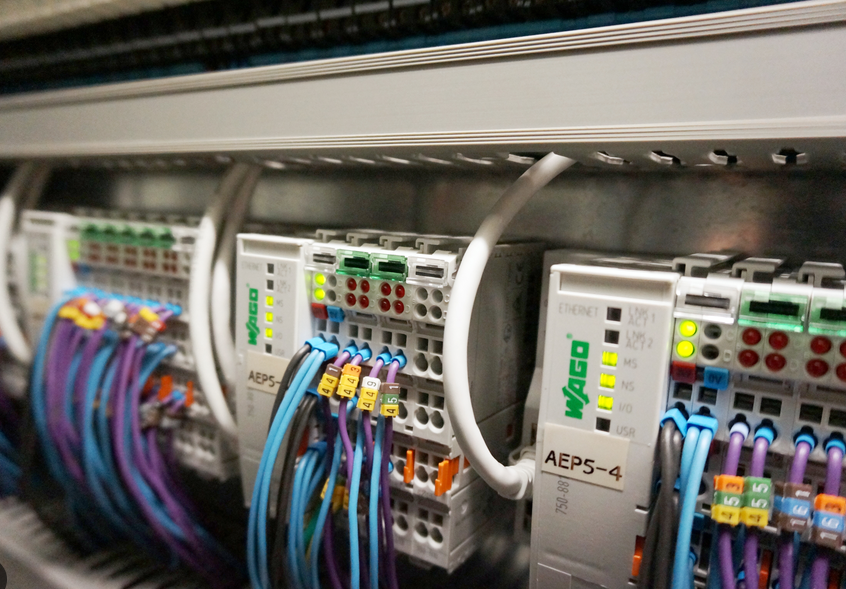
Wondering why your production line keeps running into unexpected slowdowns? Reliable plcs and control systems keep operations running smoothly around the clock. Here is why they matter so much.
What These Systems Actually Do
Programmable logic controllers manage automated processes across manufacturing and industrial settings. They monitor inputs like sensors and switches, then trigger outputs such as motors or valves based on programmed logic. This automation replaces manual monitoring, reducing human error significantly. Nearly every modern production line depends on these systems working correctly. When they fail, entire operations can grind to a halt within minutes.
Integration With SCADA Systems
Supervisory control and data acquisition systems work alongside controllers to provide real time monitoring across an entire facility. This combination allows operators to view performance data, spot problems, and make adjustments from a centralized location. Facilities with multiple production lines benefit greatly from this visibility. Proper integration between these systems improves efficiency and helps identify issues before they cause costly production delays.
Why Upgrades Matter for Efficiency
Older control systems often lack the processing speed and flexibility of newer models. This creates bottlenecks as production demands increase over time. Upgrading outdated equipment improves response times and allows for more complex automation processes. Many facilities also find that newer systems integrate more easily with modern software and reporting tools. This modernization often pays for itself through improved output and reduced downtime.
Preventive Maintenance Reduces Downtime
Waiting for a system failure costs far more than routine upkeep. Preventive maintenance includes testing connections, updating software, and inspecting wiring for wear. Catching small issues early prevents complete system failures that halt production entirely. Facilities that schedule regular maintenance experience fewer emergency repairs. This proactive approach keeps operations running consistently and avoids the steep costs associated with unplanned downtime.
Choosing the Right Service Provider
Not every technician understands the complexity of modern control systems. Look for providers with experience across multiple platforms and industries. A knowledgeable team diagnoses problems quickly and recommends solutions that fit specific operational needs. Ask about response times for emergency situations, since downtime often costs more the longer it lasts. Choosing an experienced provider reduces risk and keeps production moving forward reliably.
Conclusion: Understanding the Backbone of Automation
Control systems form the foundation of modern industrial automation. Understanding how these systems work, along with the value of upgrades and preventive maintenance, helps businesses avoid costly downtime. Choosing an experienced service provider ensures problems get solved quickly when they arise. Prioritizing these systems keeps production running efficiently and protects long term operational success.
Recent Comments